

Cranberry and orange are one of my favorite combinations once the weather turns cool. The tart cranberries and bright citrus keep this Sourdough Cranberry Orange Bread from feeling overly heavy, while a thick orange icing on top makes it feel a little more special than an everyday quick bread.
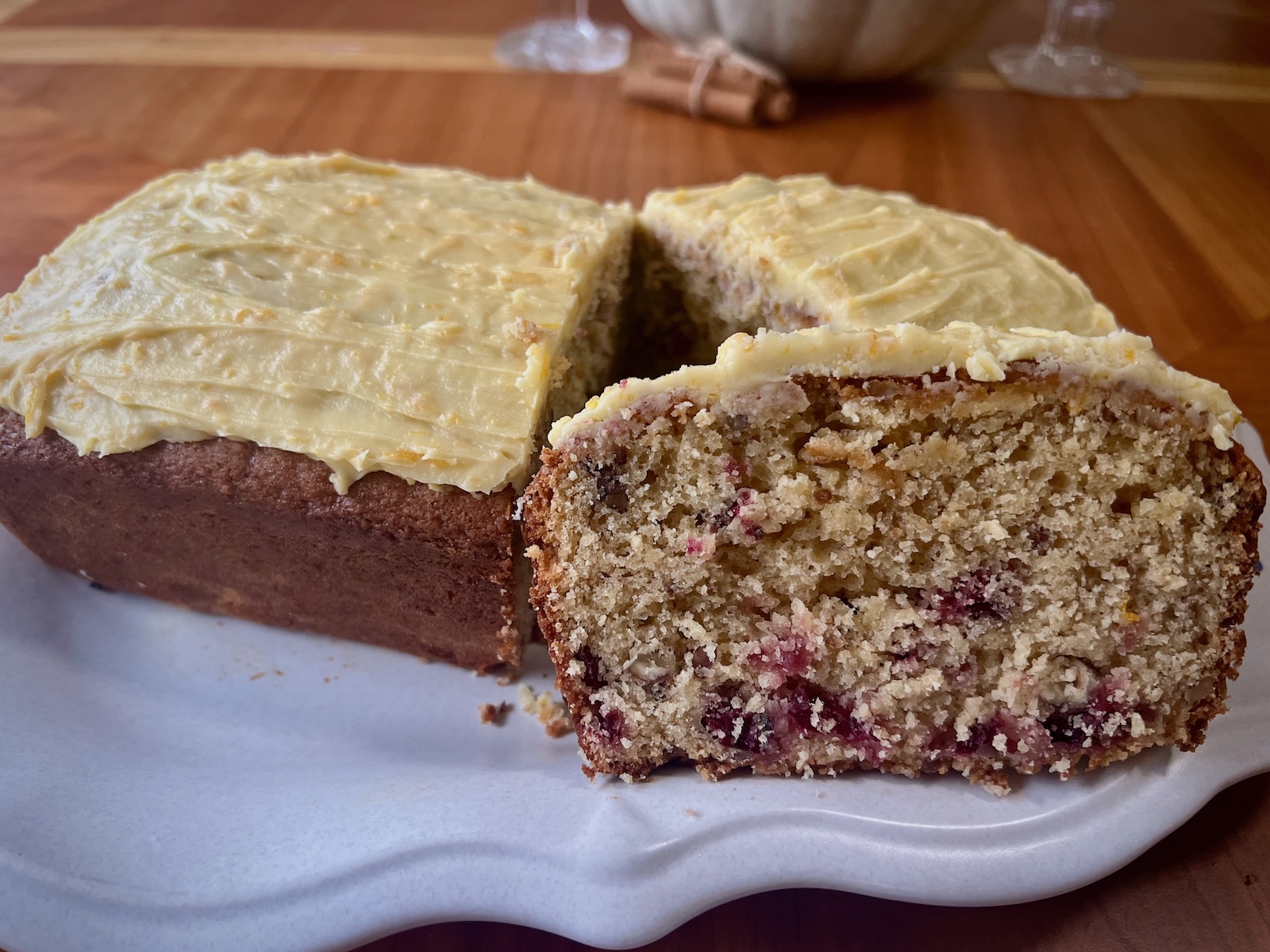
This sourdough cranberry orange bread is based on my old cranberry-orange bread I’ve made for 15 years, but I’ve adapted it to use sourdough starter and an overnight fermentation. All of the flour is mixed into the sourdough ferment the night before, so in the morning there are only a few simple steps left before the loaf goes into the oven.
That’s especially important to me for a breakfast recipe. I don’t want to wake up and measure a dozen ingredients before I’ve even had my coffee. Most of the ingredients can be measured the night before, so the morning is essentially: mix, fold in the cranberries, and bake.
A Family Thanksgiving Tradition
Long before I ever thought about fermenting flour or keeping a sourdough starter on my counter, cranberry orange bread was already part of our family’s story.
My Italian Gramma was the kind of woman who made family gatherings feel special. My dad was one of ten children, so when our family gathered, there were a lot of us. Come fall, I started making cranberry orange bread for Gramma because she loved it. It became something I looked forward to making for her year after year.
At Thanksgiving, the women in our family would all contribute to the goody bags we put together. Eventually, my cranberry orange bread found its way into those bags too. What started as something I made especially for Gramma became my own little contribution to a much bigger family tradition.
That’s part of why I didn’t want to simply replace this recipe when I began baking with sourdough. I wanted to take a bread that already held so many memories for me and find a way to ferment the flour overnight, without losing the cranberry orange bread I know and love.
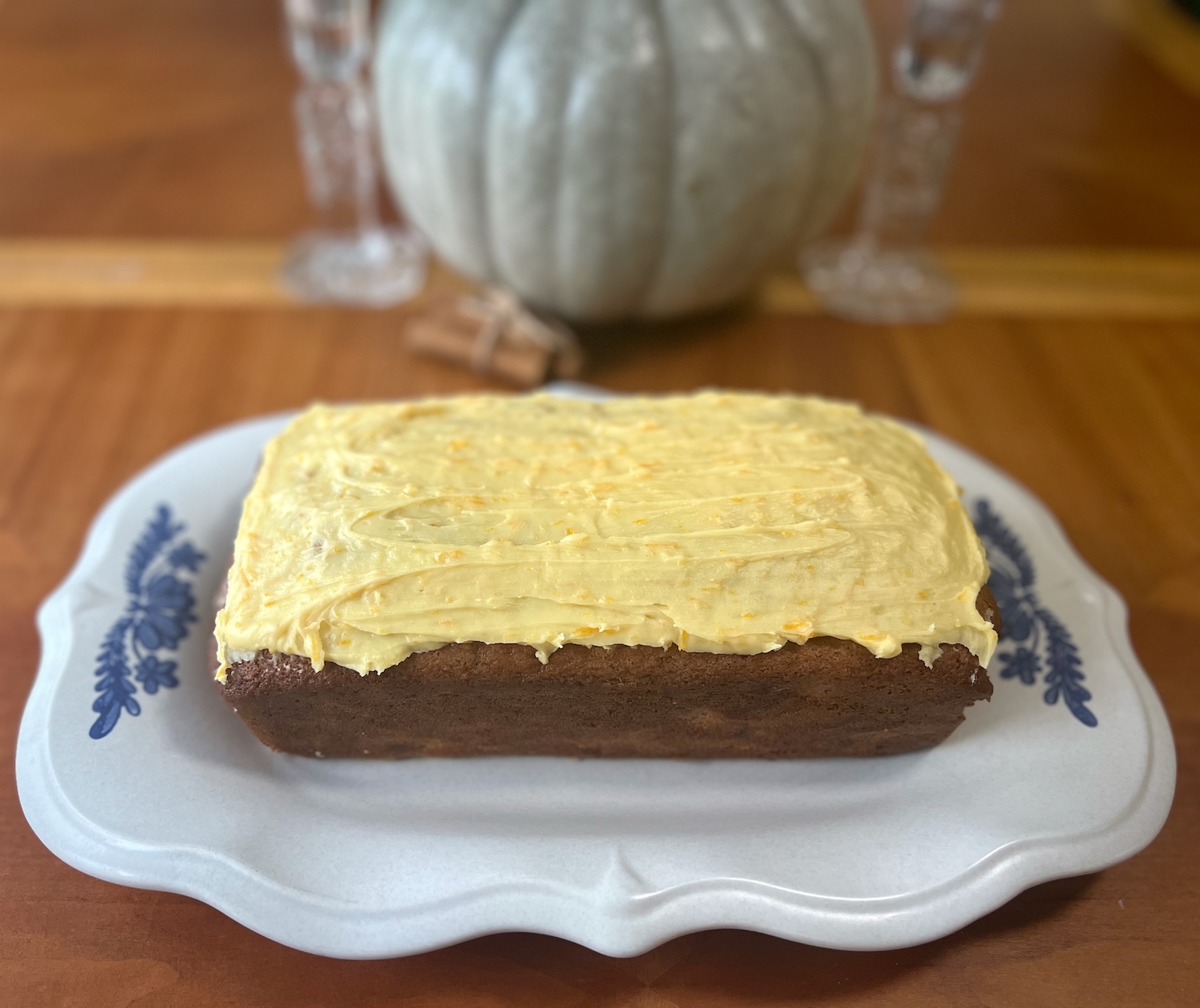
Why You’ll Love This Sourdough Cranberry Orange Bread
- This is a fully fermented loaf. All of the flour is mixed with sourdough starter and orange juice concentrate the night before and allowed to ferment before the remaining ingredients are added in the morning.
- Most of the work happens the night before. I like to measure and prepare the remaining ingredients while I am mixing the overnight ferment. In the morning, I want to be able to turn on the oven, mix everything together, and get breakfast baking without pulling half the pantry back out.
- It has plenty of cranberry-orange flavor. Tart cranberries and orange juice concentrate give this loaf the bright flavor I remember from the original bread I made for my Gramma.
- The thick orange icing. Instead of a thin drizzle that disappears into the loaf, this bread is finished with a thick, buttery orange icing that sets over the top for a bakery-style finish. The icing is optional—the bread is also delicious on its own.

Tips for the Best Sourdough Cranberry Orange Bread
Don’t add extra liquid to the overnight ferment.
The overnight mixture is supposed to be surprisingly stiff—more like a firm dough than a quick-bread batter. This is intentional. During testing, wetter overnight mixtures consistently gave me a denser, overly moist loaf that struggled to hold its rise. Add only enough water to fully hydrate the flour; don’t loosen the dough simply because it looks too stiff.
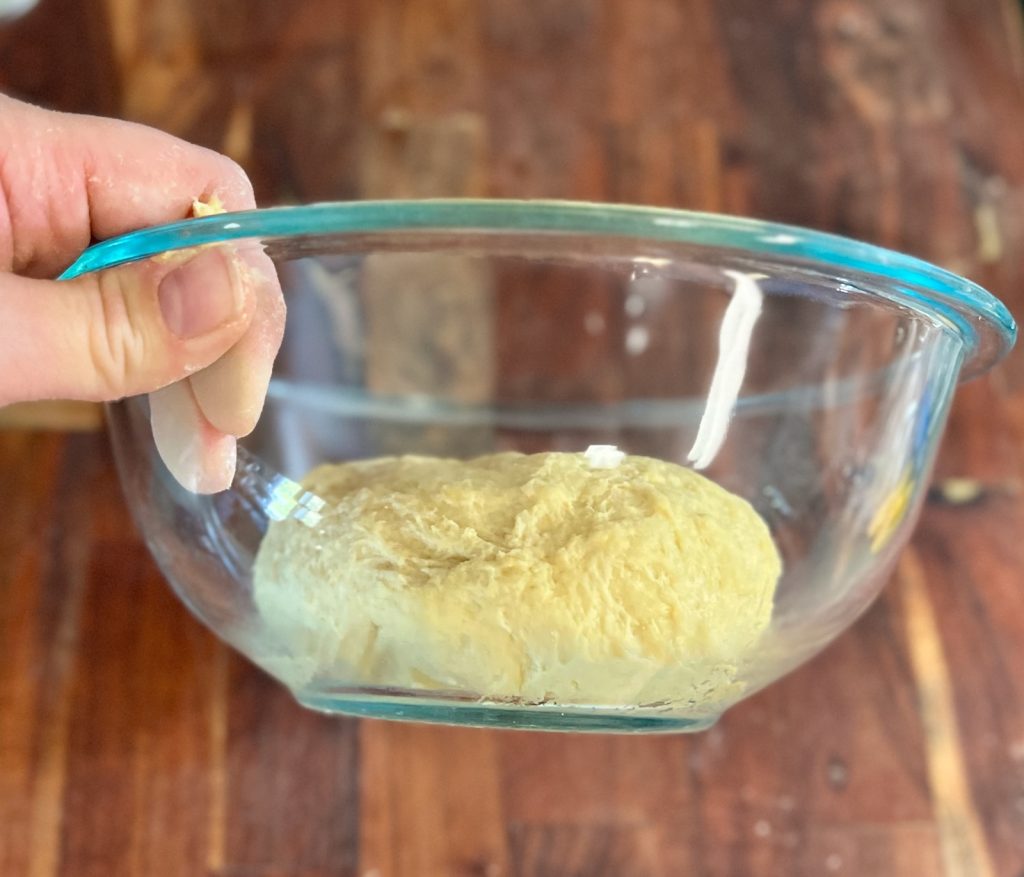
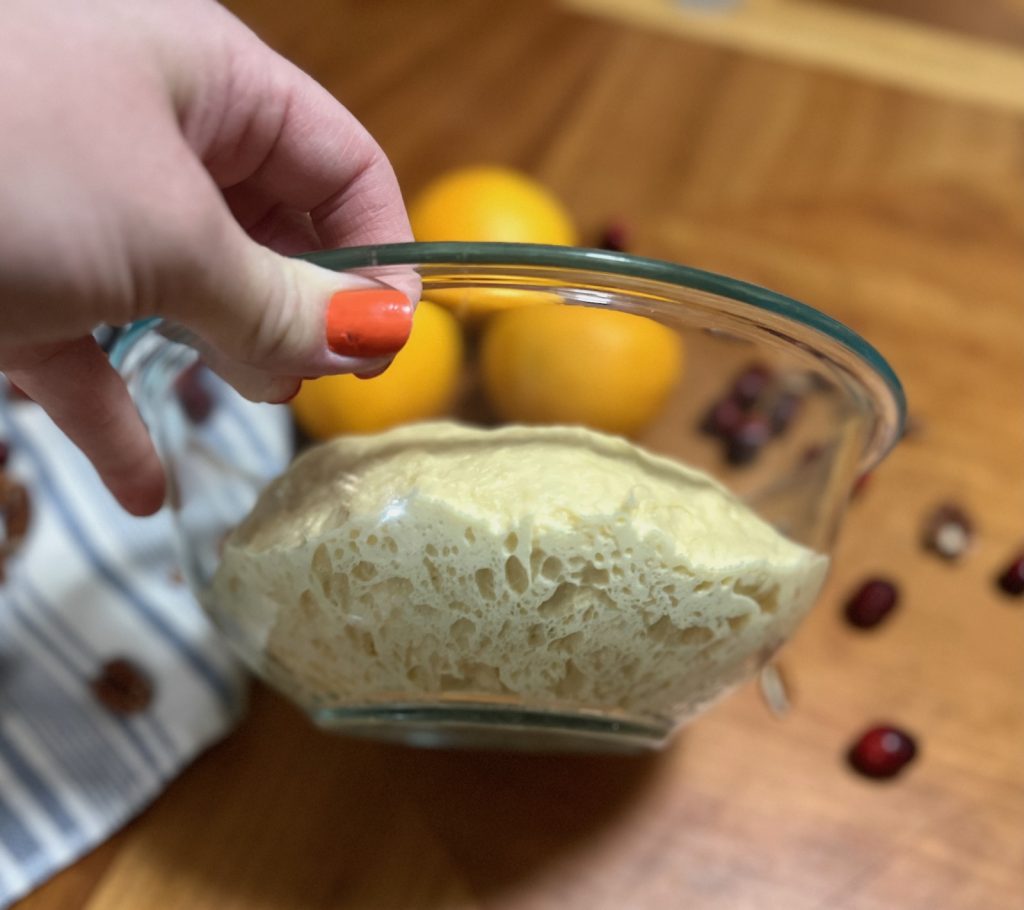
Let the sourdough cranberry orange dough tell you when it has fermented.
Fermentation time will vary depending on the strength of your starter and the temperature of your kitchen. Look for the dough to become noticeably larger, puffy, and aerated rather than relying only on the clock. In a warm environment, this can happen considerably faster than an overnight room-temperature ferment.
Use an active, recently fed starter.
This recipe relies on a true sourdough fermentation rather than simply adding discard for flavor. Start with a healthy starter that has been fed and is active and bubbly.
Expect a very thick batter.
Even after adding the morning ingredients, this will not look like a thin cake batter. The fermented dough will soften considerably, but the finished batter should remain thick and scoopable. You should need to spread it into the loaf pan rather than pour it. Resist the temptation to add additional liquid to thin it.
If using frozen cranberries.
There is no need to thaw them first. Fold the frozen berries gently into the finished batter just before transferring it to the loaf pan. Thawing can release additional moisture and turn the batter pink.
Don’t overmix once the leaveners are added.
Make sure the baking soda and baking powder are evenly distributed, but once they’re incorporated, fold in the cranberries and pecans and get the loaf into the oven. The final batter doesn’t need to sit around.
Bake to doneness, not just to the clock.
This is a substantial loaf, and ovens and loaf pans vary. Bake at 350°F and begin checking it around 50 minutes. An instant-read thermometer inserted into the thickest part of the center is much more reliable than judging the dark crust alone.
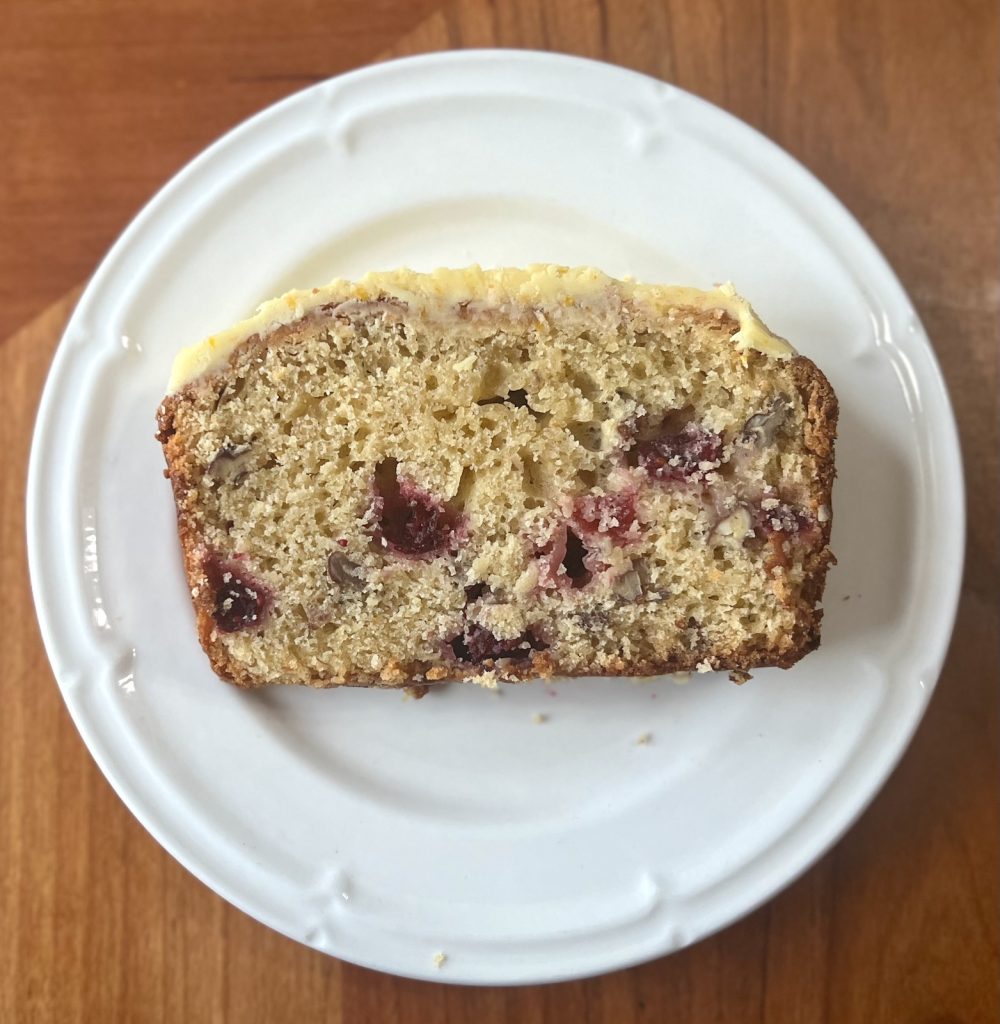
Let the loaf cool completely before slicing.
This one matters. The crumb continues to set as the loaf cools. Cutting it while warm can make a properly baked loaf appear wetter and denser than it really is.
Cool completely before adding the orange icing, too.
For the thick bakery-style layer we’re after, the bread needs to be completely cool. Icing a warm loaf will melt the icing and cause it to soak into or run down the bread instead of sitting thickly on top.
For the smoothest bakery-style icing, sift the powdered sugar.
Whisk the melted butter, thawed orange juice concentrate, vanilla, and salt together first, then gradually whisk in the sifted powdered sugar. Finely grate the orange zest so you get plenty of fresh orange flavor without large pieces interrupting the smooth finish.
This post contains affiliate links, which means I make a small commission at no extra cost to you. See my full disclosure here
Ingredients You’ll Need for Sourdough Cranberry Orange Bread
One of the things I love about this cranberry orange bread is that the ingredient list is simple. The original bread I made for Gramma was a straightforward quick bread, and I want this sourdough version to stay true to that. The biggest change is in the method: sourdough starter allows all of the flour to ferment overnight before we finish the batter and bake it the next morning.
Sourdough Cranberry Orange Loaf
*All quantities are found in the printable recipe card below.*
All-Purpose Flour – I use all-purpose flour for this loaf. All of the flour is mixed into the overnight sourdough ferment, so there is no additional flour to measure in the morning.
Active Sourdough Starter – Use an active, recently fed sourdough starter to ferment the flour overnight. You don’t have to catch your starter at the exact moment it peaks, but it should be healthy and active.
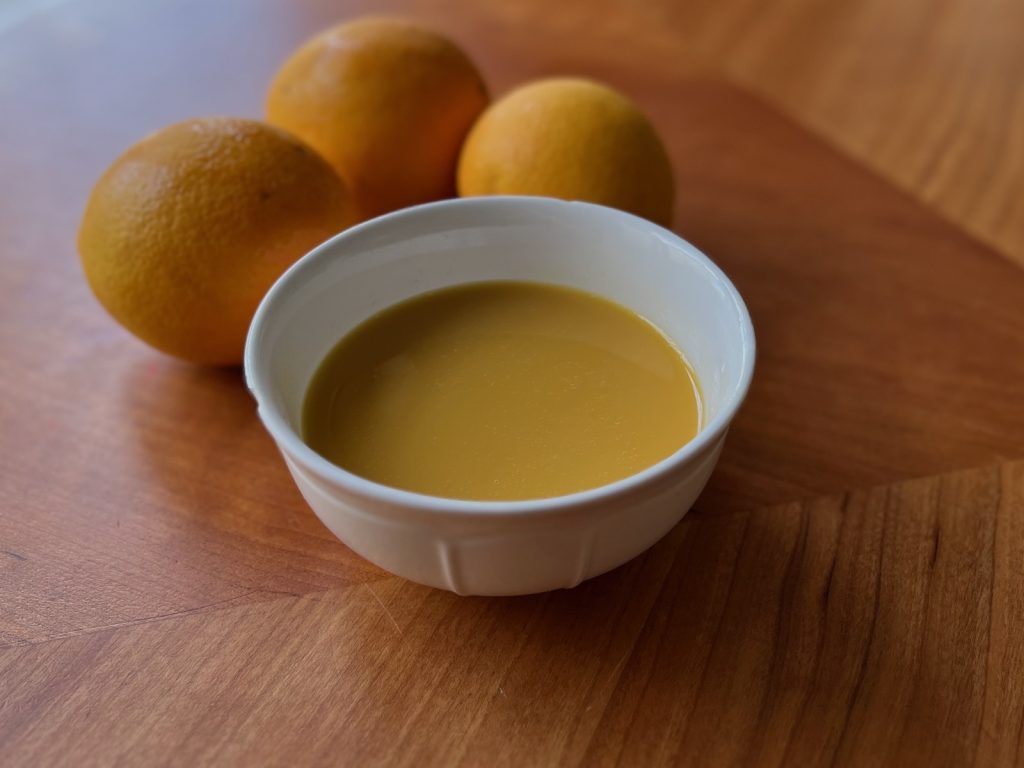
Frozen Orange Juice Concentrate – Using undiluted orange juice concentrate gives this loaf a much stronger orange flavor without adding the large amount of liquid we would need from regular orange juice. This became especially important while testing the recipe because too much liquid produced a much wetter, denser loaf.
Ingredients Added After Fermenting
Orange Zest – Fresh orange zest is where much of that bright orange aroma comes from. I like to zest the orange the night before and refrigerate the zest so it is ready to add to the batter in the morning.
Butter – Butter gives the loaf richness and flavor. Let it soften before mixing so it creams easily with the sugar.
Cane Sugar – This is a sweet breakfast loaf, and the sugar also helps give the crumb tenderness and moisture. I use cane sugar, but regular granulated sugar should work as well.
Egg – One large egg adds richness and helps provide structure to the loaf as it bakes.
Vanilla Extract – A little vanilla rounds out the orange and cranberry flavors without making the loaf taste like vanilla.
Baking Powder and Baking Soda – The sourdough starter ferments the flour overnight, while baking powder and baking soda provide the dependable lift we want from a quick bread in the oven.
Salt – A small amount of salt balances the sweetness and brings out the orange and cranberry flavors.
Cranberries – Fresh or frozen cranberries can be used. When using frozen cranberries, add them straight from the freezer without thawing so they don’t release unnecessary juice into the batter.
Pecans – Pecans add a little crunch and nuttiness to the loaf. You can leave them out if you prefer a nut-free cranberry orange bread.
Ingredients for the Thick Orange Zest Icing
Powdered Sugar – Creates the thick, sweet base for the icing. Sifting it first helps give the finished icing a smoother bakery-style finish.
Orange Juice Concentrate– Gives the icing a bright, concentrated orange flavor without adding enough liquid to make it thin or runny.
Butter – Adds richness and gives the icing a softer, creamier texture and buttery flavor.
Vanilla Extract – Rounds out the sharp citrus flavor and adds a little warmth to the icing.
Salt – Just a pinch balances the sweetness and helps bring out the orange flavor.
Tools you may need
- Handheld Mixer
- Spatula
- Mixing Bowls of various sizes
- Whisk
- Measuring Cups and Spoons
- 9.5×5″ Bread Pan these bread pans are amazon basics and although they offer a nonstick surface, they are free of PFA’s. I also use cast iron bread pans but they are a bit small for this recipe and would require 2 pans verses one.
Why is the overnight ferment so thick?
During recipe testing, I found that a relatively stiff overnight ferment gave this loaf much better structure than fermenting a wetter, nearly finished batter overnight. Sourdough fermentation naturally changes and softens wheat dough over time, so I intentionally use only enough liquid to hydrate the flour during the long fermentation.
Don’t be tempted to add extra liquid simply because the mixture looks too dry. It should resemble a stiff dough rather than a quick-bread batter. The remaining ingredients are added after fermentation, which allows all of the flour to ferment while giving us better control over the moisture and structure of the finished loaf.
If you still have loose, dry flour that absolutely will not incorporate, add water a few grams at a time, using only what you need to fully hydrate the flour.
How to Make Sourdough Cranberry Orange Bread
Prepare the Overnight Sourdough Ferment
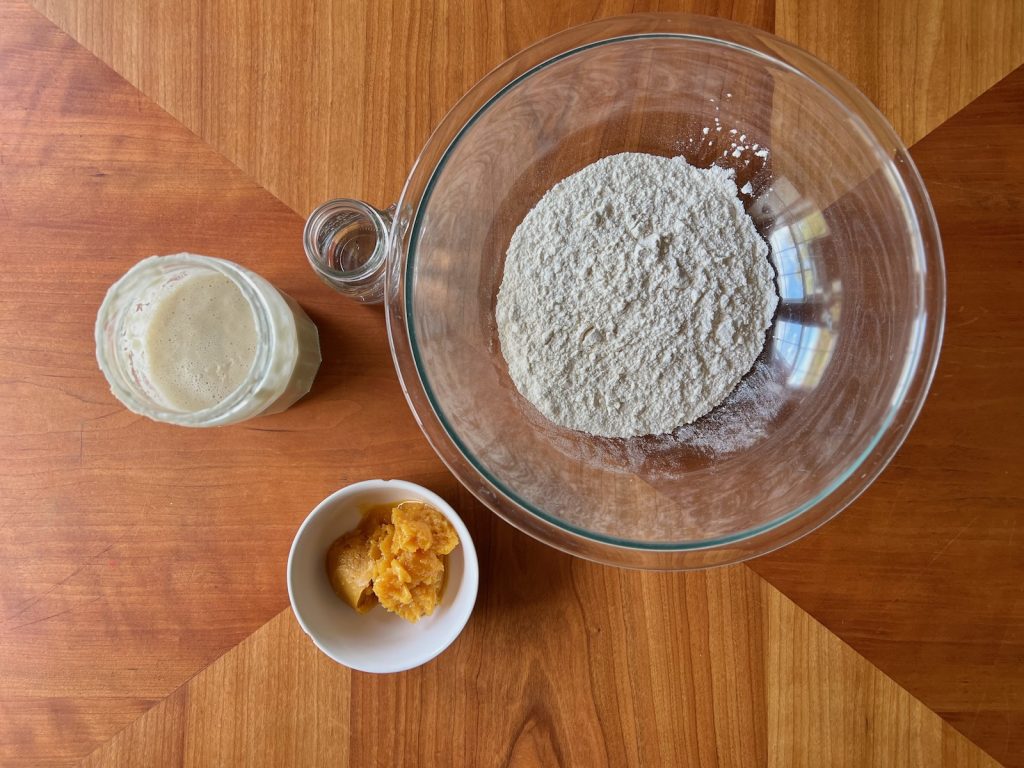
The night before, combine the all-purpose flour, active sourdough starter, thawed orange juice concentrate, and water in a large mixing bowl.
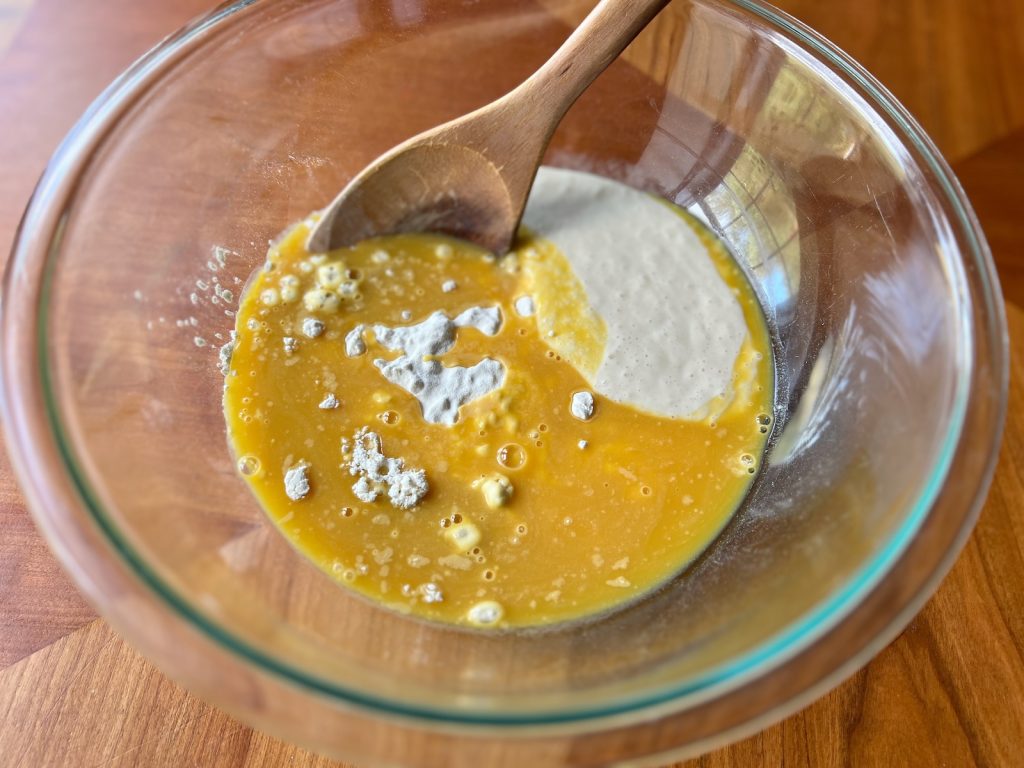
Mix until all of the flour is fully hydrated. This mixture is intentionally quite stiff. It should form a firm, cohesive dough rather than anything resembling a traditional quick-bread batter.
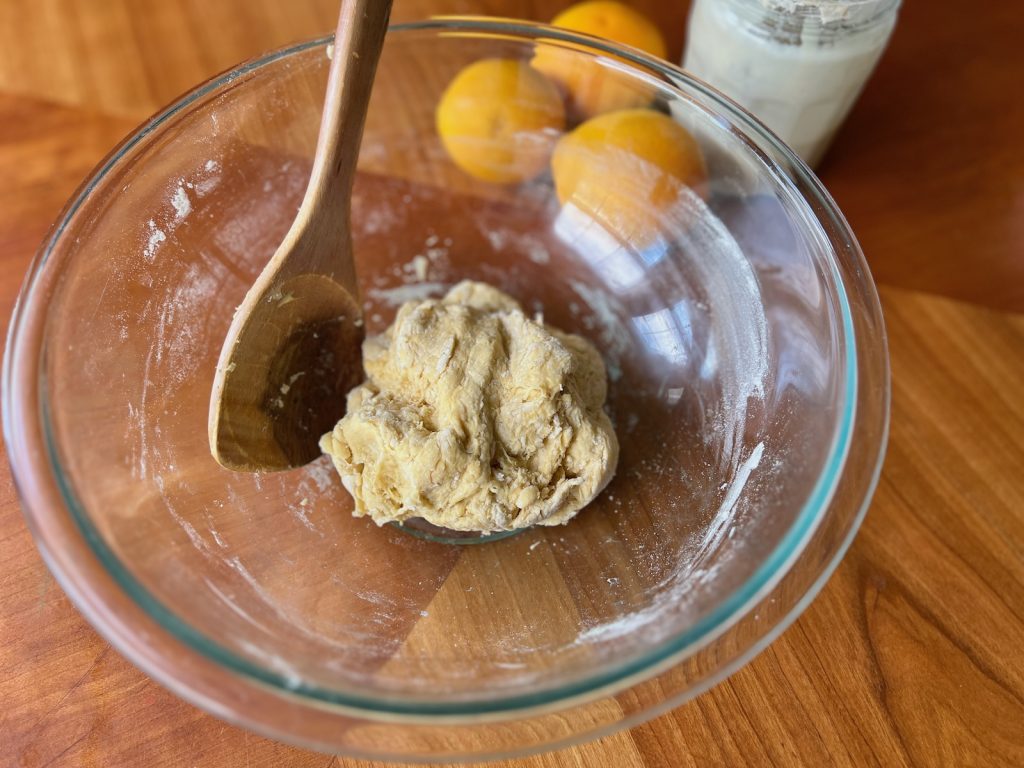
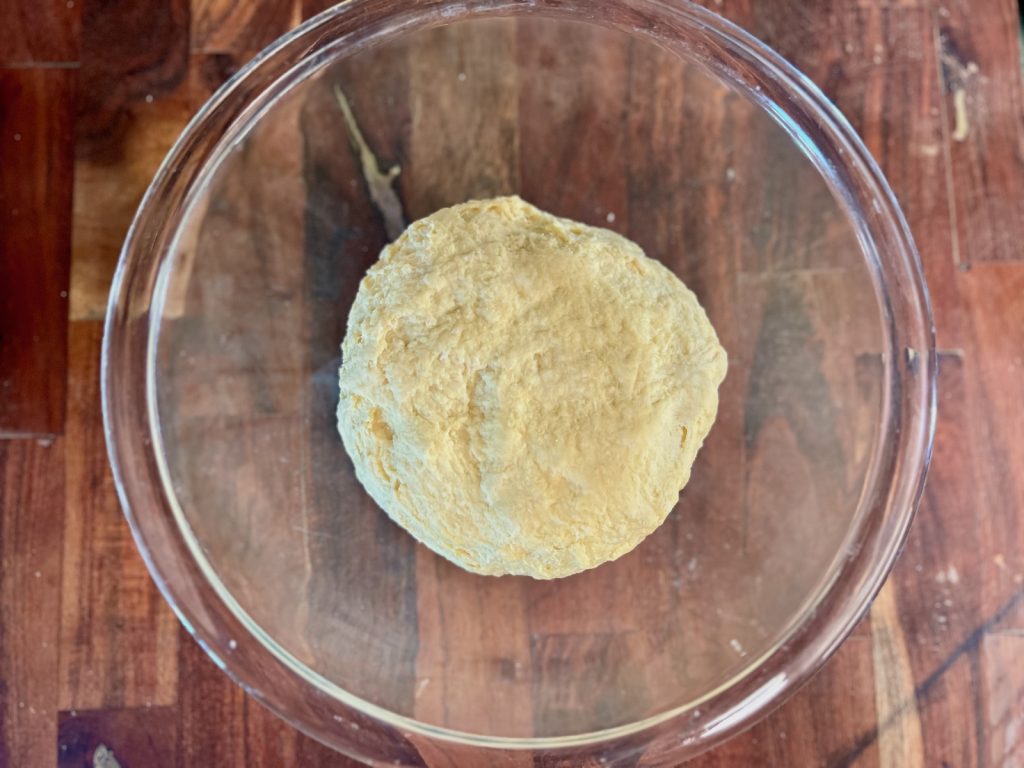
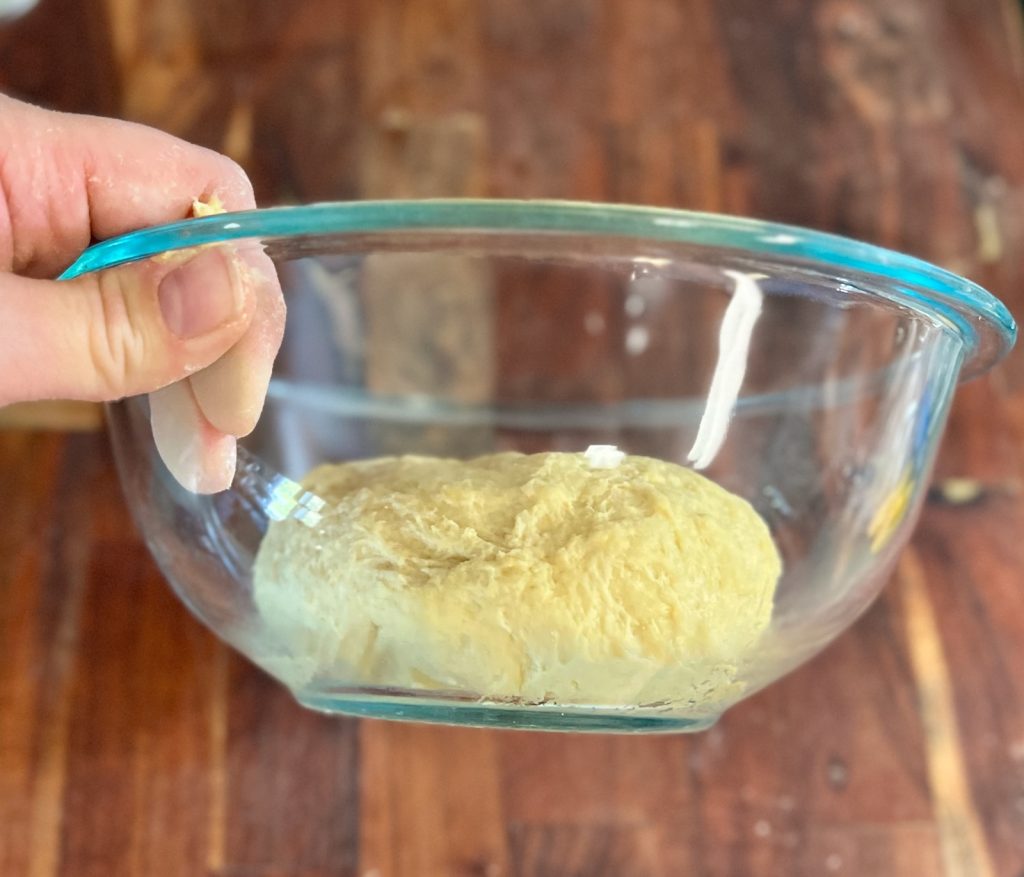
Cover the bowl and allow the dough to ferment until it is visibly puffy and well aerated.
Don’t be tempted to add extra liquid simply because the mixture looks too dry. It should resemble a stiff dough rather than a quick-bread batter. If you still have loose, dry flour that absolutely will not incorporate, add water just a few grams at a time until the flour is hydrated.
This method allows all of the flour to ferment while leaving the ingredients that create the final texture of the quick bread to be added shortly before baking.
Make the Morning Batter
When the fermented dough is puffy and well aerated, prepare a 9 × 5-inch loaf pan with parchment paper and preheat the oven to 350°F.
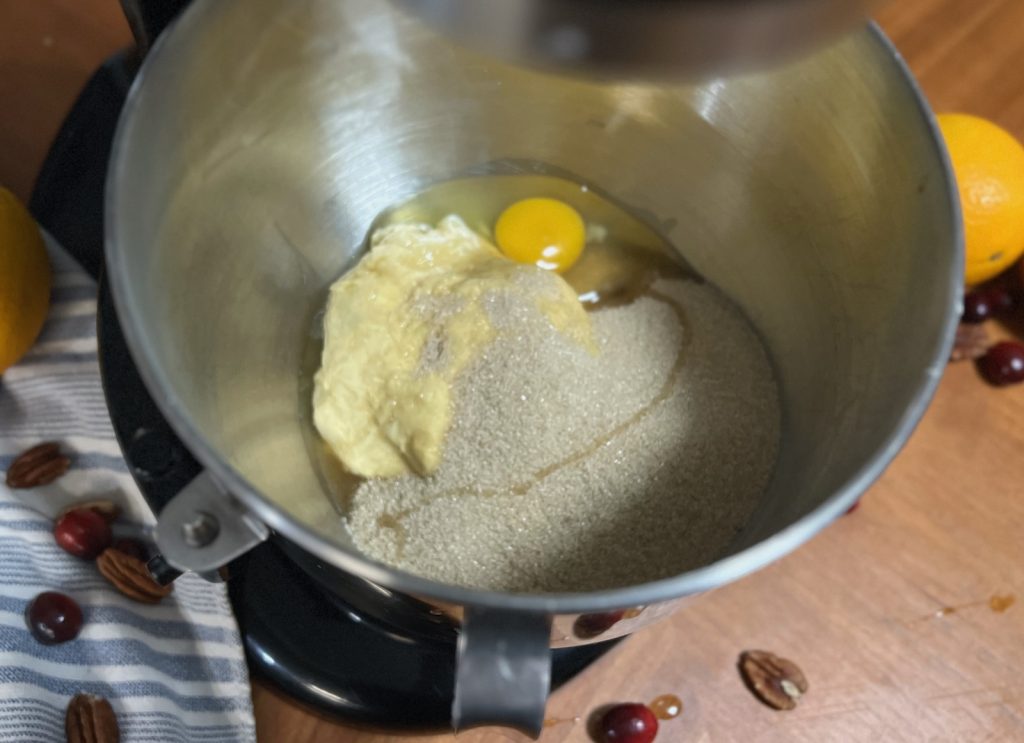
Add the sugar and egg to the fermented dough and begin working them into the dough. Continue mixing until the fermented dough begins to loosen and break down.
Add the softened butter, vanilla, and fresh orange zest and mix until well incorporated.
In a small bowl, combine the salt, baking soda, and baking powder. Sprinkle the mixture evenly over the batter and mix just until incorporated.
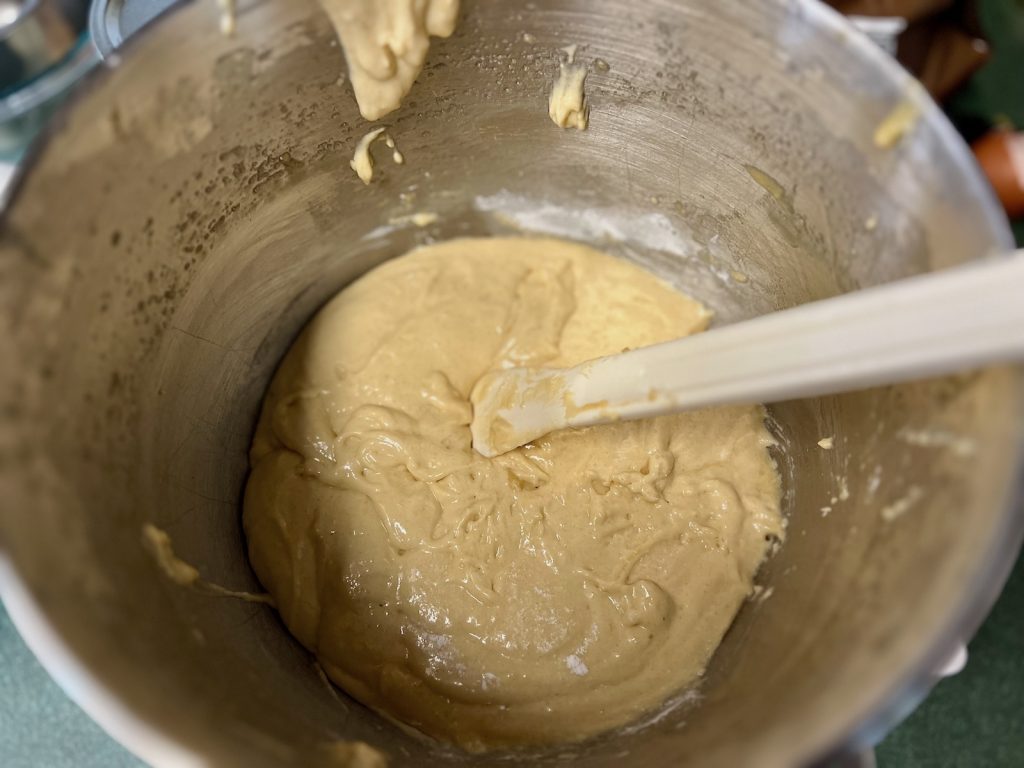
At this point, the batter should still be very thick and scoopable. It will be considerably softer than the fermented dough you started with, but it should not pour like cake batter.
Gently fold in the frozen cranberries and chopped pecans.
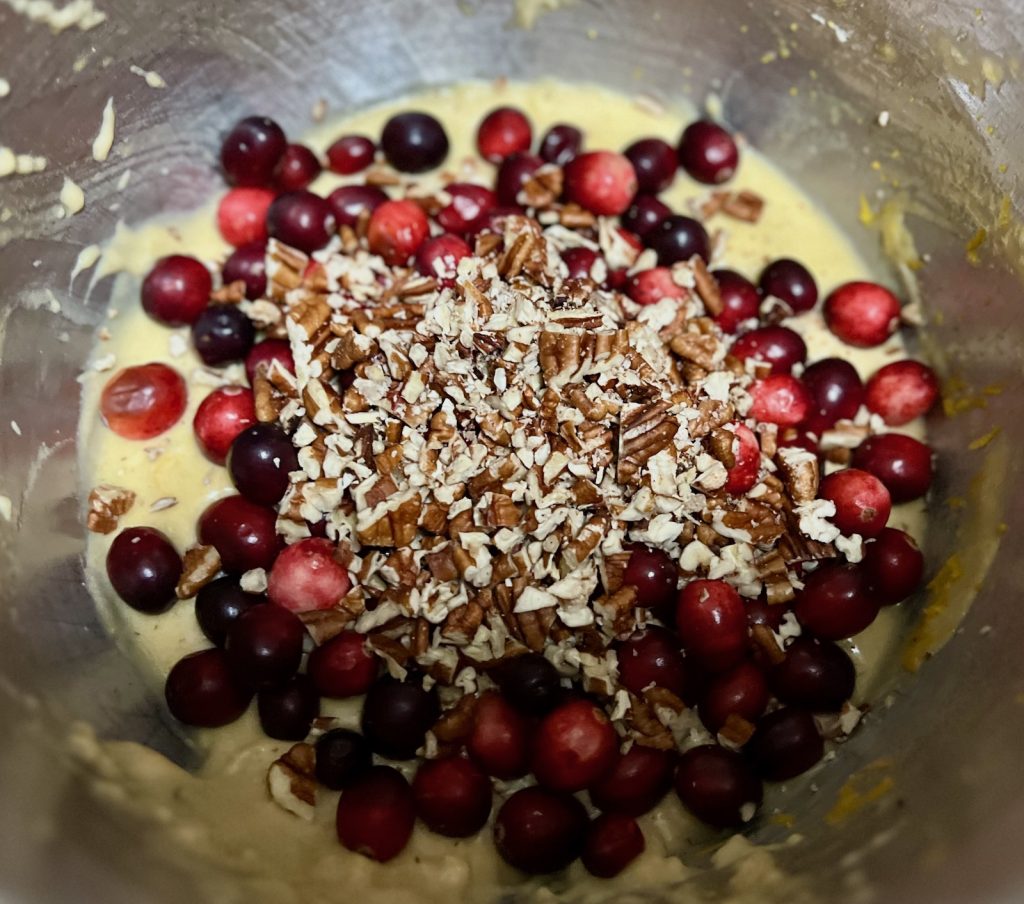
Scoop the batter into the prepared loaf pan and spread it evenly with a spatula.
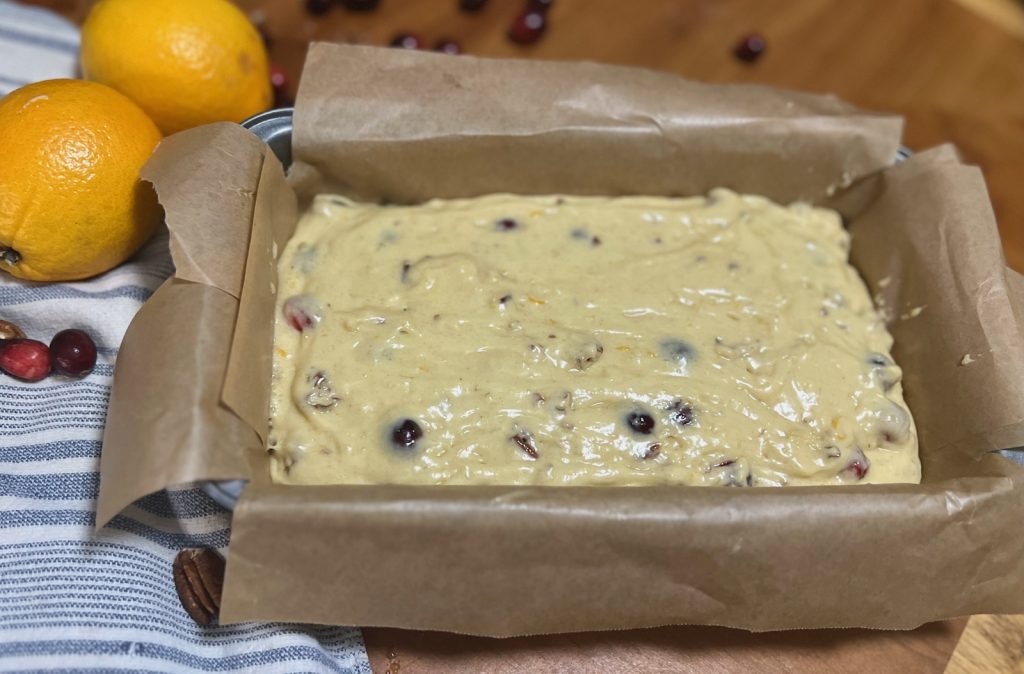
Bake at 350°F until the center is set. Begin checking the loaf at about 50 minutes. An instant-read thermometer inserted into the thickest part of the center is especially helpful for determining when the loaf is done.
Allow the bread to cool in the pan for about 10–15 minutes before carefully lifting it out. Transfer to a wire rack and cool completely before adding the icing.
Make the Thick Orange Zest Icing
Whisk the melted butter, thawed orange juice concentrate, vanilla, and salt together.
Gradually whisk in the sifted powdered sugar until completely smooth, then stir in the finely grated orange zest.
The finished icing should be very thick and spreadable rather than thin enough to drizzle. If necessary, adjust the consistency with a tiny amount of additional concentrate.
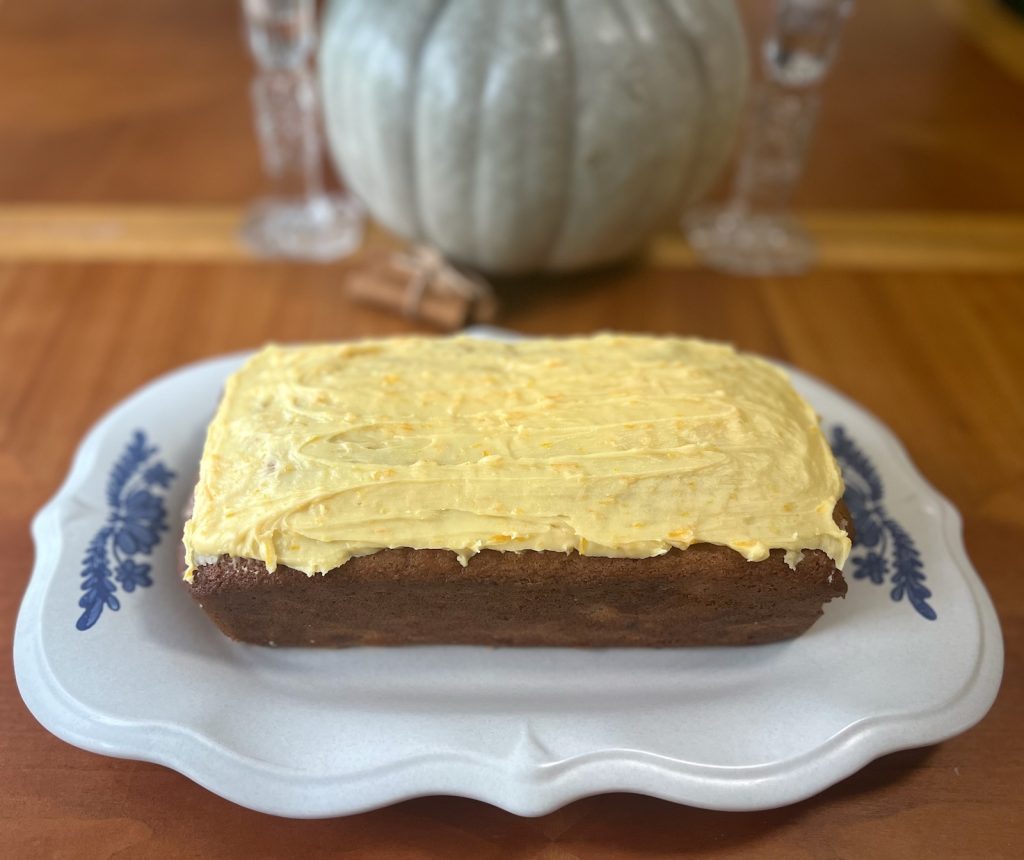
Once the loaf is completely cool, spread the icing generously over the top and allow it to set before slicing.
More Sourdough & Fall Baking Recipes
If you’re in the mood for more cozy fall baking ideas try my Sourdough Pumpkin Pie Bread or my Pumpkin Chocolate Chip Muffins, which both use my Homemade Pumpkin Pie Spice Recipe. Another one of my favorites for the holidays is my Easy New York Style Cheesecake. I make it for both Thanksgiving and Christmas each year.
Sourdough Cranberry Orange Breakfast Bread
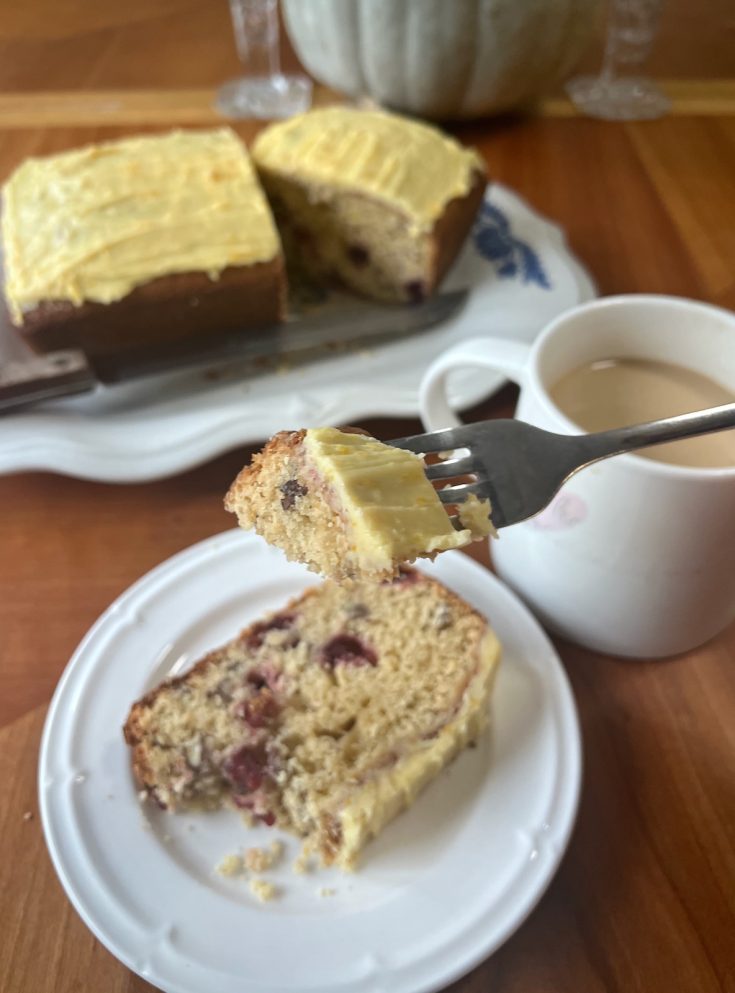
Sourdough Cranberry Orange Bread is sweet and citrusy with a slight sourdough tang, tart cranberries, pecans, and buttery orange icing.
Ingredients
Overnight Sourdough Ferment
- 250 grams All Purpose Flour
- 100 grams Sourdough Starter
- 100 grams Frozen Orange Juice Concentrate, Thawed
- 45 grams water, mixed in the concentrate
Morning Batter
- 200 grams Sugar
- 1 Egg
- 56 grams Butter, softened
- 1 teaspoon Vanilla Extract
- 1 medium Orange Zested
- 3 grams fine Salt
- 2 grams Baking Soda
- 6 grams Baking Powder
- 150 grams Fresh or Frozen Whole Cranberries, (stir in right before baking)
- 50 grams Pecans, coarsely chopped (stir in right before baking)
Thick Orange Zest Icing Ingredients
- 1 Cup (120 grams) Powdered Sugar
- 2 1/2 teaspoons (12 grams) Frozen Orange Juice Concentrate
- 1 Tablespoon Finely Grated Orange Zest , about one medium orange
- 1 Tablespoon Melted Butter
- 1/4 teaspoon Vanilla Extract
- 1 Pinch of salt
Instructions
The Night Before
- Prepare the overnight sourdough ferment. The night before, combine the all-purpose flour, sourdough starter, frozen orange juice concentrate and water in a large bowl. Mix until all of the flour is incorporated. The mixture will be quite thick and should resemble a stiff dough rather than a traditional batter. Cover and ferment until visibly puffy and aerated, about 6–9 hours depending on starter strength and room temperature.
The Following Morning
- The next morning, prepare the oven and pan. Preheat the oven to 350°F. Grease a 9 × 5-inch loaf pan well or line it with parchment paper
- Add the sugar to the fermented dough and mix until incorporated. The dough will begin to loosen considerably as the sugar is worked in.
- Mix in the egg until completely incorporated.
- Add the softened butter and mix until evenly distributed throughout the batter
- Mix in the vanilla extract and finely grated orange zest.
- Sprinkle the salt, baking soda, and baking powder evenly over the batter. Mix just until thoroughly incorporated, making sure there are no pockets of baking soda or baking powder remaining.
- Gently fold in the cranberries and chopped pecans just until evenly distributed.
- Transfer the batter to the prepared loaf pan and gently spread it into an even layer.
- Place the loaf in the preheated 350°F oven and bake for 55 minutes or until the center is set and a thermometer inserted into the center reaches approximately 200°F.
- Allow the loaf to cool in the pan for about 10–15 minutes, then carefully remove it and transfer it to a wire rack. Allow the bread to cool completely before slicing or icing so the crumb has time to set.
✨ Thick Orange Zest Icing ✨
- Whisk the thawed orange juice concentrate, softened butter, vanilla, zest and salt together in a small bowl.
- Add the powdered sugar gradually mixing until the icing is thick enough to spread. The icing should be very thick and spreadable rather than pourable. If necessary, adjust with a tiny amount of additional powdered sugar if too thin and concentrate or water if too thick.
- Once the loaf is completely cool, spread the icing generously over the top, creating a thick layer. Allow the icing to set before slicing.
Notes
- For the most orange zest: For the biggest yield of zest from your orange, use a fine grater or carefully peel away the orange portion of the peel with a vegetable peeler and finely mince it with a knife. Avoid as much of the bitter white pith as possible.
- The overnight mixture should be very thick: This is intentional and important to the success of the recipe. The flour, sourdough starter, and orange juice concentrate should form a soft, thick dough rather than a pourable batter. Do not add additional liquid simply because it looks too dry. The mixture will loosen considerably when the remaining ingredients are added the next morning.
- Expect a very thick batter in the morning, too. After adding the morning ingredients, the fermented dough will loosen into a thick, scoopable batter. It should hold soft ridges when stirred and should not pour like a cake batter. Resist the temptation to add extra liquid. Once the cranberries are folded in, scoop the batter into the loaf pan and spread it evenly with a spatula.
- Use temperature to determine doneness: This loaf can take about 55 minutes or slightly longer to bake through. Because oven temperatures and loaf pans vary, check the center with an instant-read thermometer rather than relying only on time. The center should reach approximately 200°F before removing it from the oven.
- For a thick bakery-style orange icing: The icing should be thick enough to spread over the cooled loaf rather than pour off the sides. Because this version uses frozen orange juice concentrate instead of orange juice, add the thawed concentrate gradually if needed to reach your preferred consistency.
Nutrition Information
Yield
12Serving Size
1Amount Per Serving Calories 336Total Fat 8gSaturated Fat 3gUnsaturated Fat 5gCholesterol 28mgSodium 338mgCarbohydrates 61gFiber 2gSugar 39gProtein 4g
Calculations are not always accurate.

Nourishing the Heart
There is something beautiful about the way the Lord uses ordinary things to bind a family together. Sometimes it is not the big moments we remember most, but the familiar ones— the same people gathered around the table, recipes made year after year, and little traditions that quietly become part of our family’s story.
I don’t think I realized when I first started making cranberry orange bread for my Gramma that I was creating one of those memories. I was simply making something she loved. But years later, I can see how much love is carried through those small acts of serving one another.
Scripture reminds us, “And whatsoever ye do, do it heartily, as to the Lord, and not unto men.” — Colossians 3:23
There will always be another meal to make, another kitchen to clean, and another ordinary task waiting for us. But those ordinary things are not necessarily insignificant. When they’re done with love and offered faithfully to the Lord, even something as simple as making a loaf of bread for someone we love can become part of a legacy we never knew we were building.




This recipe looks great, but I don’t see any measurements. How much of each thing am I supposed to use?
Thank you so much for the heads up! I typically check my posts multiple times for mistakes and am not sure how I missed this. Must be pregnancy brain in full effect. Ive corrected it.
I just made this and it did not turn out for me at all. The only thing I left out was the pecans, but that shouldn’t alter the results that much.
The batter was super thick and very hard to incorporate the ingredients. I didn’t even try to mix in the cranberries because they would’ve been mushed. Instead, I sprinkled them into the dough as I put it in the pan. The dough was too thick to pour.
Also, the recipe didn’t specify the oven temperature, so I guessed 350F. Part way through the baking, I turned it down to 325F, because it was looking dark. I baked it for the full hour and used a thermometre to check the temperature when done.
Even though the pan was well greased, the loaf stuck and I couldn’t get it out without breaking it.
The texture was hard and doughey, not like bread at all.
I’m not sure what went wrong.
I do like the idea of a goody bag though, that is something I might try!
Becky, I am so sorry this bread did not turn out for you. You are absolutely right that the recipe should have included the oven temperature, and the batter consistency and finished texture you described indicate that the published recipe needs to be corrected.
I am currently retesting and rebuilding the recipe, and I expect to have the corrected version available by the beginning of October. Thank you for taking the time to explain exactly what happened—it has been very helpful as I work to identify and fix the problem. I sincerely apologize for the time and ingredients you spent on a recipe that did not work as it should have. I will let you know as soon as the corrected recipe is ready.
Followed your recipe instructions the batter was crumbly I soaked overnight from z12 midnite it’s almost noon now I checked the batter it’s still crumbly is it supposed to be crumbly?
I’m about to continue the recipe instructions kindly reply please
And Thank you,
The Batter is quite thick, until you add the eggs. It will loosen up after you add the eggs and baking powder and baking soda but it should still be a thicker batter. Let me know how it turned out.
I just put this in the oven. I’m hoping it turns out, as all the measurements weren’t included so I’m hoping all the ingredients were. Will see what happens!
which ingredients are missing measurements? I double checked after your comment and im not seeing any of the ingredient measurements missing. How was the bread?